WORD OF THE DAY… MINERALITY.

I use the word “minerality” often when describing old world style wines or wines with a little rusticity to them (I think I just found two more words to define). Wines from Rioja, Bordeaux, Chablis and the Loire Valley in France are notorious for expressing minerality. As I was reading Clifford Brown’s wine blog I noticed how often he too liked to use minerals in his wine descriptors. So I reached out to Cliff and asked if he would like to take a crack at defining this word as it is used in relation to wine. Here is his definition.

Minerality in wine:

101_3033

You have now entered the kingdom of “Wine Geek”. Minerality in wine is one of those things half the people totally believe in and the other half consider it to be nonsense.

To me minerality in a wine is a good thing, these add complexity, depth, and that little something extra that separates a good from a great wine. For those who don’t understand the nuances these bring to a wine or don’t think they exist, you are not alone. Minerality in a wine always stirs controversy. Have you ever encountered any of the following:

– The aroma of sun-baked stones

– A chalky element that lingers on the finish

– A touch of slate or gravel on your palate

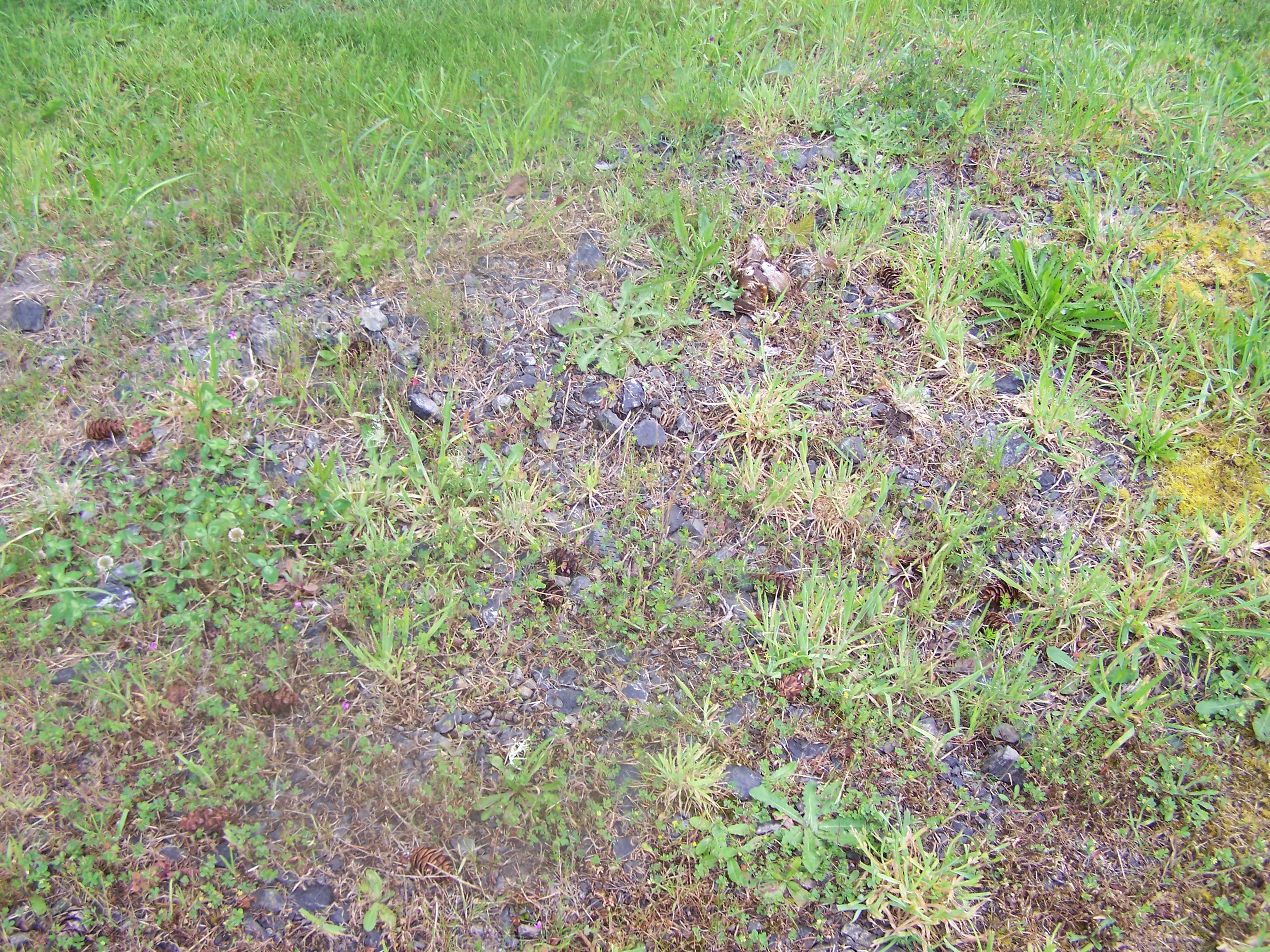
These are examples of what I consider to be minerality in a wine. Obviously these items weren’t added to the wine, they are the result of elements that are absorbed into the grapes from the ground via the root system. In a word, part of the terroir. Minerals are the elements you encounter in a glass of wine that aren’t usually associated with the grapes, or from aging in oak barrel. Minerality in a wine comes from the soil. I generally see more minerality in wines made from grapes that had to struggle to get ripe and its roots go deep into the soil to find traces of water. I also seem to find more minerality in wines made from older vines or that have some age on the bottles.

Granted, most wines, especially lower cost, bulk produced wines usually don’t display very much minerality, but you can get good examples at low price points. Most Côtes du Rhône and German Rieslings display solid minerality as do rosé wines from Tavel and Bandol in France. Generally, overly ripe grapes and excessive oak aging can mask minerality.

The next time you sniff and taste a wine, eliminate all the fruit elements you encounter. Next eliminate the influences of barrel aging such as spice, vanilla, licorice, and cedar. The remainder are generally minerals.

The next bottle of wine that smells like flint or rocks, tastes like iron or chalky limestone, or leaves a mouth-watering taste you would associate with gravel, congratulations you understand minerality.

Cliff Brown

I want to thank Cliff for contributing this excellent definition of minerality. Funny thing is, minerality is one of those words that is used a ton, but is not in the dictionary. Cliff pointed out another very interesting thing; It is a word that is hotly debated in some circles of the wine world. Skip the debate, it is something you can detect in a wine and it is one of my favorite elements. Hopefully Cliff made it much easier for you to understand. Cheers!

Posted in Main, Words Of WineDom | Tagged , , , , , , , , , , | Leave a comment

O.K., I DID A HIGH-END WINE TASTING… SHOOT ME!

I think it goes without saying that my genre is not wines in the over-a-hundred dollar category. In fact, you rarely will find me talking about or reviewing wines over fifty bones. However, this fact does not stop individuals from asking me to put on a tasting of high-end wines. I have one individual who has been persistent about this matter over the last couple of years.

Luck would have it for him that a distributor approached me and asked if I would be interested in putting on a high-end wine tasting event. There you have it! The planets aligned, and a luxury wine tasting event was born. The distributor and I put all the details together, I sent an invitation out to my wine group and I soon had all the spots filled up for the event. As it turned out, it was a fun night with some terrific wines that were far too expensive for my budget.

The line-up included…

’11 Bolinger Grand Arnee Champagne (Champagne, France) … $155.99
Aromas of yeast and bread dough with minerals and apples. Very apple driven on the palate with that wonderful nutty component that I love in sparkling wine. The yeast and marzipan elements come through on the palate leading into a long, dry finish. I haven’t had a champers this good since Dionysus shared his stash with many of us at his 2011/12 New Years party.

’04 BV Geoges De Latour Cabernet Sauvignon (Napa Valley, California) … $149.99
This was the oldest vintage cab we had at the tasting. It still had some youth to it with notes of menthol, currants and cherries. Nice old school chalky tannins and a core of acidity. We were offering this one at $99 bucks and no one took advantage of this great price. I will!


2008 Groth Reserve Cabernet Sauvignon (Napa Valley, California) … $142.99

This is a beauty! My personal favorite of the night, it had everything sans minerals that I love in a red wine. Big and bold without getting goopy in any way. Good structure and acidity with a load of spice that penetrated the palate from mid to finish. Nice balance and a long ass finish. If I win the lottery some time soon, I will be loading up my cellar with this gem.


2009 Opus One Red (Napa Valley, California) … $207.99

Mostly cab, this red from Napa is blended in a Bordeaux style. Originally a collaboration between Robert Mondavi and Baron Philippe de RothsChild it is now controlled by Philippe’s daughter. This is one of the best vintages I have tried (which is only a few). Very polished on the palate with notes of currants and cherries that are silky smooth, backed by tiny hits of herbs. As it opened up it got better and better. I can remember buying a bottle about twenty years ago for seventy bucks. Times have changed my friend. At 200 + bones this wine is over-priced compared to some of the other cabs we tried, but certainly worth it if you have the cash. (I hope that makes sense)


2009 Joseph Phelps Insignia Red Blend (Napa Valley, California) … $199.99

Again, it doesn’t seem all that long ago that I bought a bottle of this for $70. Oh well, I still love this wine and it has been a long time since I’ve tasted it. A blend of cab, petit verdot and a splash of malbec, this wine exhibits notes of raspberry and currants backed by a vibrant acidity and sturdy tannins. There is a bit of a leather component that comes through. I would say, that this wine needs about 5-8 years before it starts showing its fullest potential. I guess I need to buy another Powerball ticket.


2009 Hundred Acre Cabernet Sauvignon Ark Vineyard (Napa Valley, California) … $307.99

The most popular wine at this event…Period. We sold more bottles of this wine then any other, which was hard for me to believe considering the price. However it must be said, that this cab was absolutely stellar. Did it stand head and shoulders above the rest? In my opinion, no. In the opinion of the tasters…A resounding YES! I have to admit that it was very good. Deep flavors on the palate with notes of currants and dark cherries with a hint of mocha and chocolate coming through on the mid-palate. The finish was incredibly long and delicious. The tannins were there, but they were so nicely integrated with the fruit, they did not stand out at all. You can easily drink this baby now, but it will age nicely over the next 5-10 years.


2010 Caymus Special Selection Cabernet Sauvignon (Napa Valley, California) … $162.99

This cab came in second place to the Hundred Acre as far as wines ordered goes. This was by far the most intriguing wine of the line-up. It was very fruit forward up front with big notes of Bing cherries and currants with a dash of pencil lead/shavings. However, when it hit the mid-palate it flexed it’s muscles with some serious tannins showing up. They were well integrated with the fruit but were none-the-less present. Easy to drink, but serious enough to let you know that if you lay it down for a few years, you are in for a much better experience. This cab was layered and interesting with its Yin & Yang personality.

That was the line-up and I have to say that it was very well received and I enjoyed the experience immensely. Would I do it again? I am already toying with the idea of putting on an event featuring wines between fifty and a hundred bucks. Still premium, but a little more reachable financially for most of us. The positive thing about that price range is the incredible amount of unbelievable wines you can find.

I want to thank Vinny’s for doing a fantastic job with the service and the appetizers, they were spot on.
I know that the next premium wine event we do will be at that venue. The feedback I got from all those who attended was very positive and there were some nice suggestions and input.

I would like to remind my readers that although all these wines showed very well, price does not always indicate quality. I use a term that many other wine writers use, QPR or quality-to-price ratio. Many high end wines are over-priced, it is as simple as that. However, there are many lower priced wines that are exceptional for the money. I will continue to search high and low for the best wines for the money and pass the info on to you. Cheers! Stan The Wine Man

Posted in Happenings and Whatever., Main | Leave a comment

LET’S TALK DIRT… THE DEBATE ABOUT TERROIR RAGES ON.

I just read a very well written article by Erika Szymanski that was posted on Palate Press. It is of course about terroir. Now I’m reasonably sure when the French came up with this word, they were not interested in the scientific breakdown for the meaning of terroir. Those damn scientists…They’re always nosing around in anything to do with the earth or plants. Don’t get me wrong, I am a big fan of science and all it has done to improve our lives. However, when it comes to wine I lean towards the romantic, mystical side of things.

It is probably incorrect to say the French came up with the word terroir. It is actually derived from the medieval Latin word terratorium which basically is translated “land”. Now the French of course took the word to a different level by applying it to different areas of grape cultivation. They developed Appellation d’Origine Controlee (AOC) which has become the model for the appellation system all over the globe. The French feel strongly that the place from which the grapes are grown (the land) strongly influences the character of the wines.

However, what was once a firmly held truism has been analyzed and re-analyzed by scientists and doubters. Scientists of course, just want to determine if they can find solid evidence that the fruit transfers qualities from the dirt from which it is grown into the final product of the wine. There are also wine writers (a few were mentioned in Erika’s article) that argue against the idea of terroir and its effect on a wine, not to mention (and this is rare), some wine makers.

I understand the position of the scientist. It is their nature to be inquisitive, and the jury is still out for a lot of them about the affects of the soil on the fruit of the vine and finally on the wine. It is the wine writer that I find suspect. Why do they doubt the concept of the earth affecting the wine? This is one of my theories.
I believe that there are wine writers out there that fear the term “terroir“. What do I mean? One of the most difficult things to do as a wine critic or anyone for that matter, is to try to determine where a wine came from or what varietal it is in a blind format. There are not a whole lot of wine folks out there that can do it accurately on a consistent basis. I know that I can’t.

I believe that the doubters, are merely wine writers who do not want to admit that they cannot determine the differences in terroir, because they do not possess the ability to do it. Some of the writers that Erika mentioned don’t even believe in extensive tasting notes. It makes me wonder if they have difficulty identifying different elements in a wine. I of course cannot confirm any of these conclusions, but it certainly gives room for thought.

Why do apples from New Zealand taste so much better (in my opinion) then apples from Washington State? Why are coffee beans from central America or Hawaii more sought after then other sources? The answer is quite simple…The land from which they come, and the climate affects the quality of the product. The same is true of grapes. Just think about it. Wine makers (most that is) will swear on their mother’s grave that the Pinot Noir grape can only achieve it’s fullest potential in the land of Burgundy, with Oregon coming in a close second. Why? The dirt and environment from which it is nurtured.

Other examples abound. Syrah for instance, thrives in both Northern Rhone and Southern Rhone, as well as Washington State. Some areas of California achieve better results with syrah then others. Merlot is another classic example. Merlot grown on the right bank of Bordeaux is the stuff of legend… Think ’47 Petrus. Washington State is also known for producing some outstanding wines from this varietal. That being said, the central coast appellation in California should never even attempt to grow and produce wines from the Merlot grape. Why? They are insipid, lack complexity, and are one of the reasons Merlot has received such a bum rap (besides the movie) over the last fifteen years.

I was interviewing a wine maker for my blog a couple of weeks ago, and we talked a bit about terroir. He stated quite simply that there is a reason that wine makers seek out certain appellations and vineyards within those appellations. The fruit is better! He said that he recently sourced fruit from a different appellation in Washington and has noticed a marked improvement in the quality of his wines. Hmm…Dare we say it’s the dirt?

The real problem with identifying the uniqueness of different appellations falls squarely on the wine maker. Why do I say that? Example: Let’s say it is a stellar harvest year in appellation A. Everything about the fruit is right, great concentration with good acidity and ph levels. Now, what does the wine maker do with the fruit? Wine maker B takes the fruit from appellation A and uses 100% new oak (maybe more, because “hey”, the fruit can handle it), adds yeast strains designed to give the wine certain flavor profiles and then uses a touch of micro-oxygenation to ensure a creamy texture. I could actually go on and on with the various techniques used to manipulate a wine, but I will spare you the details. The end result is a wine with so much make-up that if it were your daughter, you may have a hard time recognizing her. Bam! Just like that, terroir is stripped from the wine.

The other thing (and there is nothing wrong with this) that can effect the identity of terroir, is sourcing fruit from many sub-appellations within a much larger appellation, and blending them all together in the wine. A classic example of this is the massive appellation Columbia Valley in Washington State. Many wineries will put Columbia Valley as the appellation for the wine on their label. They may have sourced fruit from Horse Heaven Hills, Yakima Valley, Rattlesnake Ridge and Wahluke Slope. Although fermented and barrel aged separately, in the end they will blend them together to come up with the desired wine. From this example, it is obvious that a unique terrior could not be identified in these wines.

So from a purely non-scientific approach, there are definite reasons why certain wines do not have terroir definition whether it’s make-up or the blending of many appellations together. I say non-scientific, because I did not come to these conclusions in a lab environment…It’s my opinion based on observations I have made. However, I am convinced that the dirt matters, and the examples given above seem to support that conclusion. If I were to taste in a blind format a line-up of Chardonnay, I would hope that my palate could discern a Chablis from a Napa Valley version.

I like the idea of dirt having an influence on the grapes and in the end on the wine. I love wines that are made from the grapes of the Red Mountain appellation in Washington State. I love Chardonnay from Chablis, I love Pinot Noir from Burgundy and I love Sauvignon Blanc from New Zealand and Sancerre. I love talking about their uniqueness and the terrior from which they come. I don’t care if I can pick them out in a blind format, but I love the challenge of trying. Wine is magical and many times mysterious. It has a life of it’s own and in each bottle there is a story. Dirt has a lot to do with that story, and even though the debate rages on, I will continue to defend terrior and it’s influence on wine. Cheers!
Posted in Main, Stan UnCorked... | Tagged , , , , , , , , , , , , | Leave a comment

WORD OF THE DAY… STRUCTURE.

I called upon fellow wine blogger Bill Eyer, author of the wine blog Cuvee Corner. I really like his writing style and he gives some brutally honest reviews of wines that he has tasted. I think it would be a credit to your bookmarks to add his blog to your list.

I asked him if he would be willing to tackle the word “structure” since it is a word used by many wine writers in describing a wine both white and red. Bill did an awesome job! Here is what he wrote…

“The characteristic of Brunello is its longevity,” Biondi Santi told Wine Spectator last year. “Nature is capable of creating beautiful things—you just have to wait.” And in order for you to wait for that wine to mature, then said wine needs to have the stuffing to go the long-haul. That’s something we wine-geeks call structure.

Let’s face it, not all wine is created equal and I know, I know that’s not what you’ve heard from your friends around the wine-cooler. But stick with me, all will be explained below. And for the average garden-variety vino-sapien out there, you probably don’t care too much about a wines structure. But let me frame it this way; a wine without good structure is like having that second cup of coffee brewed from the grounds of the first cup. Now you feel me don’t you?

Like the quote above from the Godfather of Brunello, if a wine is meant to go the long-haul which much of Brunello is, it’s going to need structure. And like any building, structure in wine is the foundation, for which every other component in the wine hangs upon. It was just the other day; I tasted through some very elegant and interesting Italian vino which got me to thinking about a wines structure and what does that really mean anyway. Some were what I call everyday drinkers, not much too them but in the short-term they were very tasty and got the job done.

Now this is where the nerd meets the herd [eye roll] it’s time to define what all this talk about structure means to you and to the wines you may or may not be consuming. There are mainly two aspects of any wine which defines its structure and, those are acid and tannin. On one side of the structure coin you have acidity; this is what gives wine its shape. If the acidity is too high, the wine will be piercing, taut, and linear [like sucking on lemons] and if there is too little acidity then the wine will feel flabby and or soft. Think about your mid-section, if you have high acid, you’ll see a freakish six-pack and if you have low acid, you’ll see a muffin top. Neither of those two extremes is good.

And on the other side of proverbial structure coin you have tannins, which contribute to a wine’s structure in more of a textural sense. Going back to that coffee example above, think about a dark-French roast and, drinking it black. Take that first sip and you’ve just experienced high-tannin and just like coffee, wines which are high in tannin will give you the impression of drinking your coffee black [not something most folks like]. Wines with high-tannin like this can feel like a kind-of velvet-friction [think cotton balls] on your gums and on the insides of your mouth. Typically tannins in wine come from the skin of the grape, seed, stems and barrels in which they were aged.

But what if the wine is too low in tannins; then the wine will appear soft and round in the mouth with just a nod to its overall texture. Of course the best wines are the ones which strike the perfect balance between acid structure and tannin structure, when these two facts come together perfectly they contribute to a wine’s overall mouth-feel.

And going back to a point I made earlier, while not all wines are the same, unfortunately there seems to be a trend of far too many wines being made today, being made in a mass-marketed monolithic style. So that said, if you’re looking for wines with recognized structure and, great aging potential then you’ll have to spend a bit more than $9.99 a bottle.

Cheers,

Bill Eyer
San Diego, Ca

There you have it, I could not have done a better job myself. I want to thank Bill for taking the time to add this definition to my “Words of Winedom”. Cheers! Stan The Wine Man

Posted in Words Of WineDom | Leave a comment